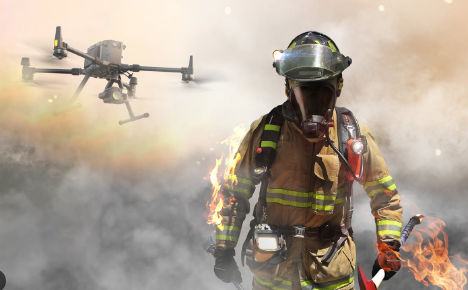
Fire Watch Guards are trained professionals responsible for monitoring premises to prevent fire hazards and ensuring rapid response during emergencies. Their role extends beyond observation—they are essential in preparing workplaces and other facilities to respond efficiently when a Fire Watch Guards or related incident occurs. By serving as the first line of defense, they significantly reduce risks to lives and property.
2. How do Fire Watch Guards contribute to preventing fire hazards?
Fire Watch Guards perform continuous inspections of high-risk areas, looking for potential fire triggers such as electrical malfunctions, flammable materials, and unsafe storage practices. Statistics reveal that workplaces with active fire watch personnel report a 50–60% reduction in fire-related incidents compared to those relying solely on automated systems. Their vigilance allows for early detection and intervention, which is crucial in minimizing damage.
3. Are Fire Watch Guards important outside of working hours?
Yes. Fires can occur at any time, including nights, weekends, or holidays, when occupancy is low. Fire Watch Guards often work in shifts to provide 24/7 coverage. Studies indicate that around one-third of workplace fires occur outside standard hours, making continuous monitoring an essential component of emergency preparedness.
4. What actions do Fire Watch Guards take during a fire emergency?
When a fire is detected, Fire Watch Guards immediately trigger alarms, notify emergency services, and guide occupants to safety. Data shows that early intervention within the first few minutes of a fire can reduce property damage by up to 50%. Their ability to make quick, informed decisions helps contain small incidents before they escalate into major disasters.
5. What training ensures Fire Watch Guards are prepared for emergencies?
Fire Watch Guards undergo comprehensive training in fire detection, emergency response, first aid, and the proper use of firefighting equipment. They are also familiarized with the specific layout and hazards of the facilities they protect, enabling them to respond swiftly and safely. This training ensures that they can handle both minor issues and more complex fire emergencies efficiently.
6. How do Fire Watch Guards complement fire safety technology?
While fire alarms, smoke detectors, and sprinkler systems are critical, they cannot replace human judgment. Fire Watch Guards provide real-time oversight, detect subtle hazards, and make instant decisions during emergencies. Combining human vigilance with technology creates a more resilient and effective fire safety strategy.
7. Are Fire Watch Guards cost-effective for organizations?
Absolutely. Fires can lead to significant financial losses due to property damage, operational downtime, and lost productivity. Employing Fire Watch Guards helps prevent these losses. Research shows that workplaces with proactive fire monitoring experience fewer incidents, protecting both employees and organizational assets.
8. In what types of facilities are Fire Watch Guards most effective?
Fire Watch Guards are valuable in industrial facilities, construction sites, commercial buildings, and event venues. Any location with elevated fire risks—such as combustible materials, heavy machinery, or high electrical usage—benefits from their continuous monitoring and rapid response capabilities.
Conclusion:
Fire Watch Guards play a pivotal role in emergency response preparedness, combining constant vigilance, expert knowledge, and swift action. By preventing fire hazards and ensuring quick, organized responses during emergencies, they protect lives, reduce property damage, and help maintain business continuity. In any setting where fire risks exist, Fire Watch Guards are a crucial part of an effective safety strategy.